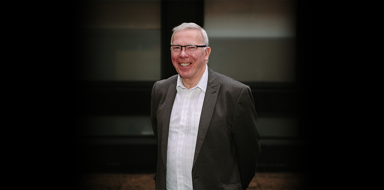



A specialist classic car coachbuilder is transforming its operations with digital tools, with the support of Made Smarter.
Ashley and James Coachbuilding, based in Lymington, is embracing 3D scanning, CNC machining and 3D printing to improve the efficiency of its traditional coachbuilding methods.
Working together with the Made Smarter South East team, founder Andy Wort has created a digital strategy that maps how technology and new skills could complement his traditional hand-built methods.

Ashley and James Coachbuilding specialises in bespoke bodywork for high-value and collectible models including Alfas, Bentleys and Porsches.
Using traditional techniques, Andy shapes aluminium and steel panels entirely by hand for mounting to existing or new chassis. This skill-led approach is central to the business but demands significant time and interpretation when making the moulds or wooden formers that Andy and his team use to help shape the panels. Many projects arrive without any blueprints or technical data, meaning the complex formers must be recreated from photographs using traditional techniques. This leads to long periods designing and refining the formers, with accuracy relying heavily on visual judgement and reducing the time available for creation of the metalwork.
Seeking a way to streamline the early stages of his work, Andy discussed using a digital approach with the Made Smarter South East team.
As part of his Made Smarter journey, Andy embarked on a Digital Transformation Workshop with adviser Keith Russell to explore where digital tools could complement, rather than replace, his traditional methods. Together they identified opportunities to introduce 3D scanning, CNC machining and 3D printing as a faster way to make the initial moulds and formers.
Using the skills of partner A2P2 Specialist Reverse Engineering, who laser scan the existing vehicle bodies, then create accurate 3D moulds by CNC machining wooden stringers to exact tolerances. The process also uses 3D printing for smaller components or for key surface edges, providing precise shaping aids for Andy and his team to work from.
The Made Smarter workshop also identified how a Made Smarter-funded digital intern could support Andy’s website redevelopment and marketing plans, alongside its Digital Champions course to enhance team knowledge.
Digital scanning, 3D printing and CNC machining have transformed the early stages of Andy’s projects.
Production time and cost have been reduced dramatically, in some cases by months, while digitally produced jigs provide millimetre-level precision and free up significant time for the artistic, hand-shaped elements of coachbuilding.
Ashley and James Coachbuilding now plan to continue developing its digital capability, expanding the use of scanning and CNC machining for mould making, and improving customer communication and marketing outreach. By combining its leading craftsmanship with digital tools, the business is positioning itself for sustainable growth while preserving the skills of traditional coachbuilding.
Andy said: “We want to keep the traditional craft at the heart of what we do, while bringing in digital tools that make the work smoother and more efficient. Made Smarter helped me see where the biggest gains could come from and gave me a clearer path to improving the business and the confidence to explore new digital skills.”